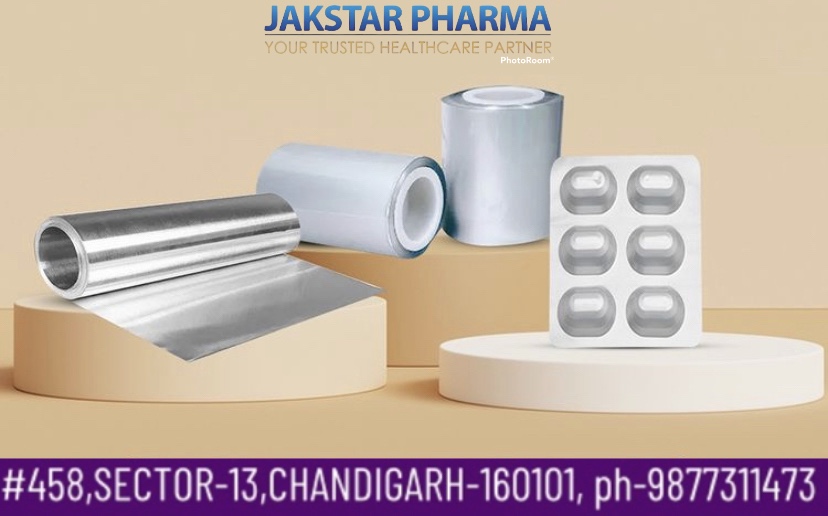
MEDICINE PACKAGING:
Today I want to take a moment to shed light on the crucial role that packaging plays in medicine formulations. Packaging serves as the final gateway between our meticulously formulated medicines and the patients who rely on them for their well-being. It ensures the integrity, safety, and efficacy of the products that we manufacture. I would like to discuss the different packaging options available to us and their significance in medicine formulations.
- Primary Packaging:Primary packaging is in direct contact with the medication and includes blisters, vials, ampoules, bottles, tubes, and sachets. The primary packaging must meet the highest standards to safeguard the product from external factors such as moisture, oxygen, light, and microbial contamination. It preserves the stability of the medication, extends its shelf life, and ensures accurate dosing and administration. The choice of primary packaging material is critical to maintaining the quality and efficacy of the medicine throughout its lifecycle.
- Secondary Packaging:Secondary packaging refers to the outer packaging that contains multiple units of the medication, such as cartons, boxes, or blister card packs. Apart from protecting the primary packaging, secondary packaging provides additional functionalities, including tamper-evidence, child-resistant features, ease of handling, and clear labeling for proper identification and usage instructions. It also serves as a communication tool, conveying vital information to healthcare professionals, patients, and regulatory authorities.
- Tertiary Packaging:Tertiary packaging involves bulk packaging and transportation, such as pallets, shrink wraps, and shipping containers. While its primary purpose is logistical efficiency and protection during transit, tertiary packaging can also contribute to minimizing product damage, ensuring accurate tracking, and facilitating stock management.
The role of packaging in medicine formulations extends beyond the functional aspects mentioned above. It also serves as a means of differentiating our products in the market, enhancing brand recognition, and fostering patient trust. Well-designed packaging can convey professionalism, reliability, and a sense of care, ultimately impacting patient adherence and satisfaction.
As pharmaceutical production professionals, it is our responsibility to continuously explore advancements in packaging technology and regulatory requirements. By staying informed about the latest trends and best practices, we can ensure that our medicines reach patients in optimal condition and contribute to their overall well-being.
Regards,
Amit Katoch,
JAKSTAR PHARMA.
 JAKSTAR TOOLS