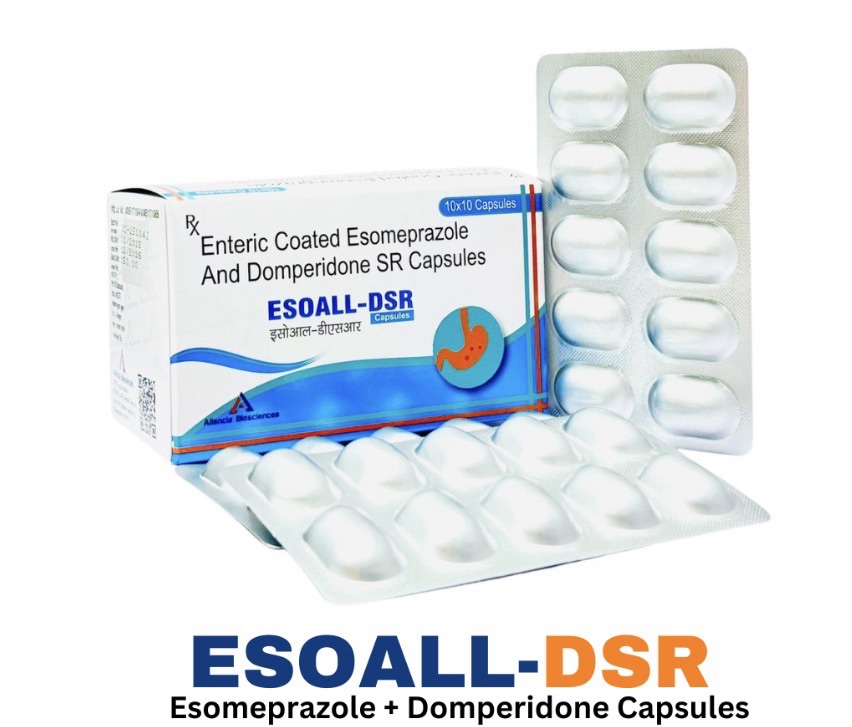
Omeprazole and esomeprazole are both proton pump inhibitors (PPIs) used to reduce stomach acid for conditions like GERD and ulcers. Esomeprazole, the S-isomer of omeprazole, often provides stronger and more consistent acid suppression due to slower metabolism and less variability between patients.
Esomeprazole achieves higher intragastric pH levels and better healing rates for erosive esophagitis compared to equivalent omeprazole doses in clinical trials. Omeprazole offers flexible dosing anytime and is widely available as a cheaper generic.
For right prescription Choose esomeprazole for severe GERD or poor response to omeprazole, as it may heal faster and reduce risks like bleeding in high-risk patients. Opt for omeprazole when cost matters or for standard cases, since individual responses vary and both share similar side effects like headache and nausea. Doctors tailor selection based on patient history, metabolism, and insurance.
Esomeprazole is preferred over omeprazole for GERD when patients have severe or erosive esophagitis, as it provides superior acid suppression and faster healing rates. Clinical trials show esomeprazole 40 mg outperforms omeprazole 20-40 mg in maintaining intragastric pH above 4 and resolving symptoms like heartburn more effectively.
In Clinical Scenarios use esomeprazole for poor responders to omeprazole, due to its higher bioavailability and less inter-patient variability from slower metabolism. It excels in acute management of erosive GERD, with studies reporting 92-95% healing at 8 weeks versus 88-90% for omeprazole.
Esomeprazole suits high-risk cases like those with bleeding ulcers or rapid symptom relief needs, though both drugs have similar safety profiles. Omeprazole remains first-line for mild GERD or cost-sensitive patients, with choice guided by endoscopy findings and response.
Regards,
JAKSTAR PHARMA
 JAKSTAR TOOLS