Vitamin D needs are greater during winters. Sunlight exposure, the primary source of vitamin D synthesis in the skin, drops significantly in winter due to lower UVB radiation angles, especially in northern latitudes.
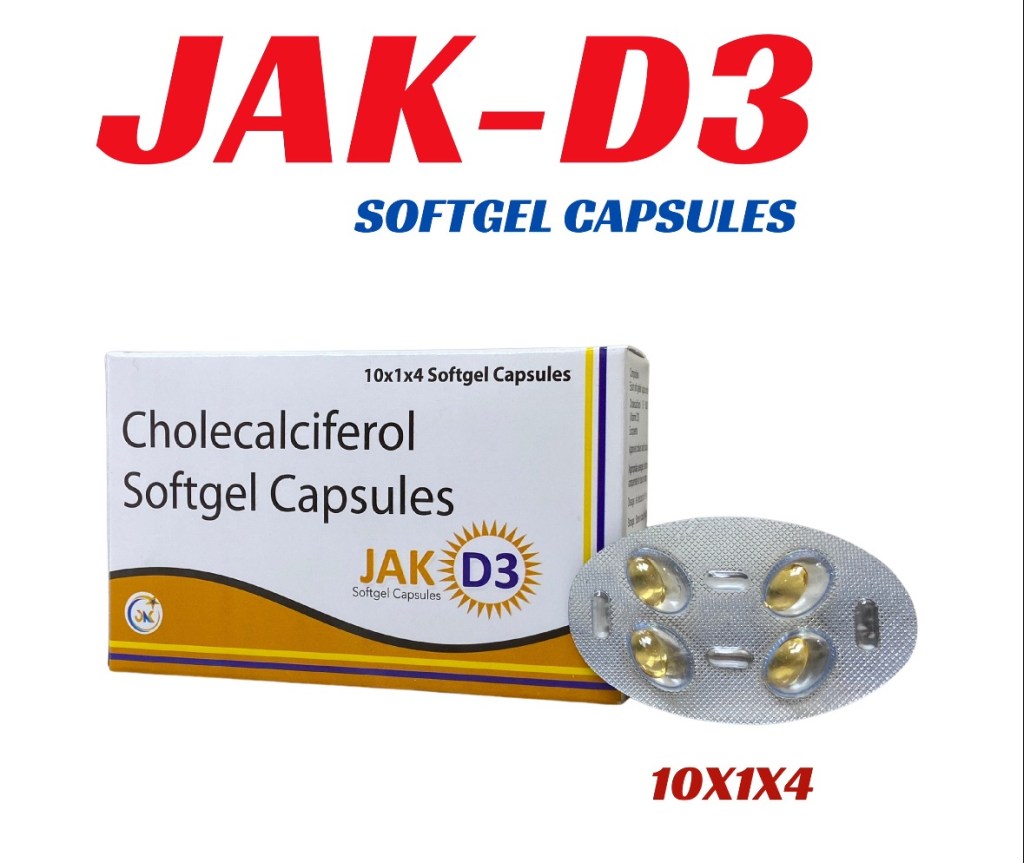
Winter Challenges;
Vitamin D levels often fall below optimal thresholds (around 50 nmol/L) in winter, as stores from summer deplete without adequate replenishment. Studies show deficiencies are more prevalent then, even in milder climates, due to clothing covering skin and shorter days.
Summer Advantages:
Summer sun enables efficient vitamin D production with just 15-30 minutes of midday exposure on face and hands. Levels typically rise seasonally, but high summer status (≈100 nmol/L) is needed to buffer winter drops.
Recommendations
Supplements or vitamin D-rich foods like fatty fish help bridge winter gaps, particularly north of 35° latitude where winter synthesis is negligible. Monitor levels via blood tests for personalized needs.
Recommended daily vitamin D intake for adults in winter is typically 600-800 IU (15-20 mcg), with higher doses often suggested due to reduced sunlight exposure.
Regards,
JAKSTAR PHARMA
 JAKSTAR TOOLS